One-Seaters- yes or nah?
Whether or not we are in a "mobility revolution," we are seeing changes in the way people move around the city in real time. As mentioned in class, the definition of micro-mobility is constantly changing as the field evolves, and many of the concepts that have recently taken off, such as electric scooters, are just new iterations on old ideas.
One of today's biggest questions in transportation is how to reduce car-ownership and dependency. Well over half of all car-trips are single-occupancy, which greatly adds to congestion and greenhouse gas emissions, but people are unlikely to ditch their cars when there are no better options. One idea to how to alleviate the SOV problem is to just make smaller cars.

The idea of one or two-seaters has been being bounced around for a while and has never quite taken off. One reason for this may be that if people are going to make an investment in a car, they want to buy one that can fill all their needs. In the article Is the Car of the Future a One-Seater, the author explains "because cars are such a big one-off purchase, we tend to buy them according to our maximum possible use. So we might buy a 4×4 that can pull a caravan, even though we only take a caravan holiday once or twice a year. However, with the growth of ride-share apps, one-seaters might make more sense; buy a smaller car to use for the bulk of your trips and use ride-share for the rest.
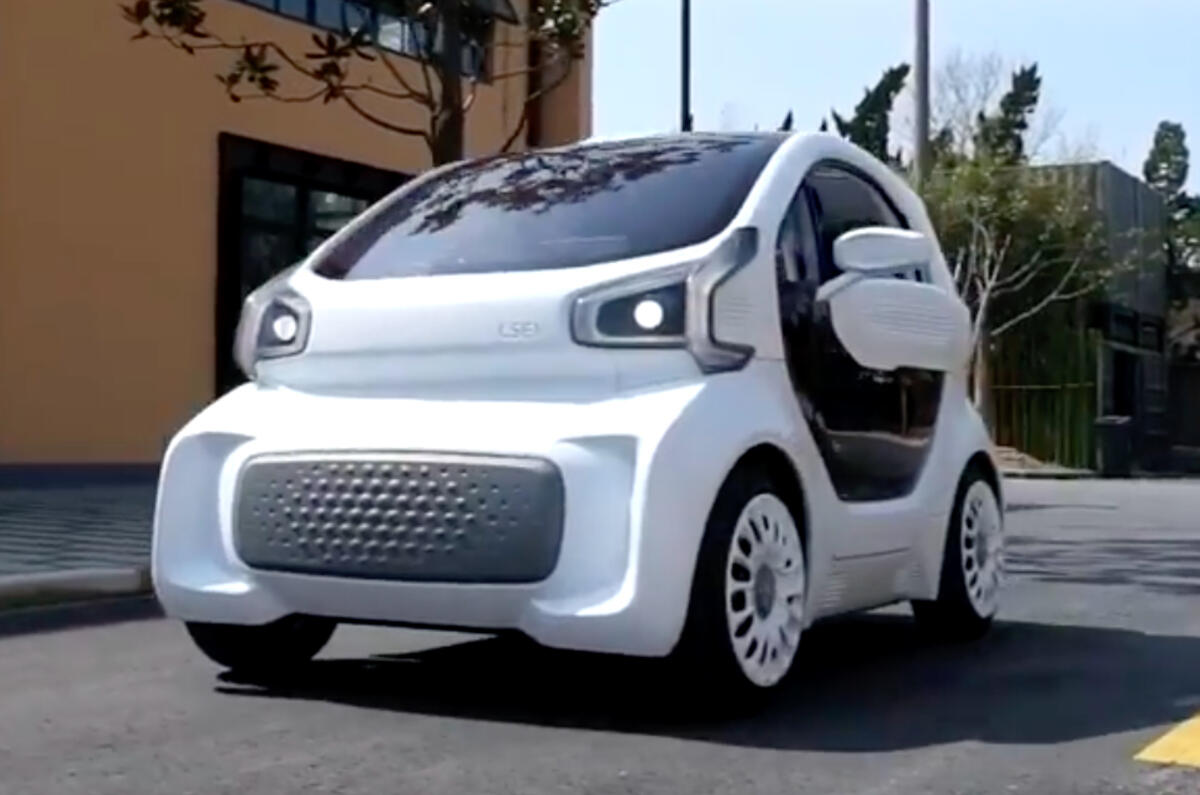 |
| LSEV electric car |
In addition, these small cars could be good news for the environment. They use significantly less energy and take up less space both on the road and parked. In fact, the Hiroko car is foldable, making it even more convenient to park and freeing up space for other land uses. Given the potential benefits and the advances in technology, is it finally time for one and two-seaters to shine?
 |
| Hiroko foldable car |


Comments
Post a Comment